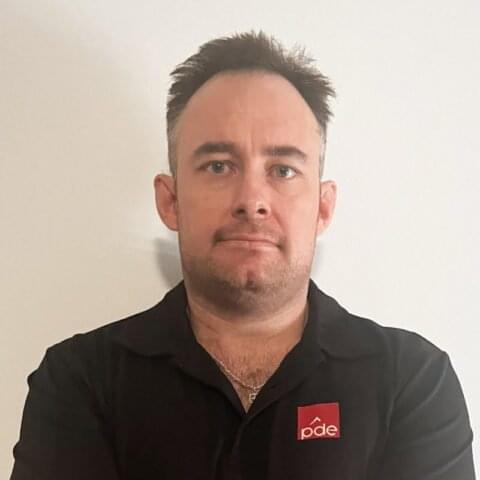

I have spent 25+ years training in Zen Do Kai. Earned a 4th Degree Black Belt, a Brown Belt in Brazilian Jiu-Jitsu. The thing people misunderstand about martial arts is that a belt does not mean you have memorised a set of moves. It means you have internalised a process: observe what is actually happening, measure your position honestly, adjust, and repeat until the gap between where you are and where you need to be closes. That is also, as it turns out, the entire methodology behind SEO services in Perth for dental practices. I am Ben Tippett, and I run Perth Digital Edge from 17 Bonnievale Tce in Wanneroo. SEO for dentists how dental practices get more patients online is the question I answer most often, and the honest answer is that it works the same way a black belt does. Slowly, through discipline, with no shortcuts.
Here is a situation I see constantly. A dentist calls us frustrated. They spent $8,000 on a website two years ago. It looks fine. Nobody can find it. They are paying $3,000 a month on paid ads just to keep the phone ringing. That frustration is legitimate, and I feel it because I have watched it happen to businesses across completely different industries. Westside Auto Wholesale in Bentley had the same problem before they came to us. Good product, invisible online. Fremantle Roofing Services too. The pattern is identical regardless of the industry: a functional website that nobody sees because nobody did the work to make search engines notice it exists.
Why Local SEO Controls Which Dental Clinics Patients Actually Find
When someone in Joondalup types “dentist near me” on their phone, they are not browsing. They have a toothache, or a cracked crown, or a kid who needs a checkup before school starts. These search queries carry urgency, and local seo determines whether your practice appears in that moment or gets skipped entirely.
Your google business profile is the first thing to fix. This is the listing that shows up in Google’s map pack above organic search engine results when patients search for local dental services. If your address, hours, or phone number contain errors, Google pushes you down. We discovered this the hard way working with Westside Auto Wholesale. Their listings across four directories had conflicting suburb information. One afternoon of corrections, and their local search visibility shifted within three weeks. Dental clinics face the exact same vulnerability. A Subiaco practice we audited had their google business profile pointing to the wrong suburb. Potential patients in their actual catchment were finding competitors instead. One fix. Four weeks. They appeared in local search results for the first time.
Location specific keywords are where you get specific. “Dental implants Joondalup.” “Family dental care Rockingham.” “Emergency dentist Balcatta.” These local keywords convert at higher rates than broad terms because the searcher has already decided they need someone nearby. Long tail keywords refine this further. “Affordable cosmetic dentistry Joondalup” has less competition and captures people ready to book. Voice search optimisation matters here too, because patients searching on mobile devices through voice assistants phrase things conversationally. “Where can I find local dental services open on Saturday” is a voice search query your site needs to answer directly.
Local seo strategies require ongoing attention. New competitors open. Google updates its algorithms. Reviews accumulate or stagnate. This is not something you set once and walk away from, which is exactly the mistake most dental practices make.
What Happens on Your Dental Practice’s Website Matters More Than You Think
I will be blunt. Most dental websites I audit are thin. Four pages. A stock photo of someone smiling. No real content. Then the owner wonders why their search engine rankings sit on page six. Your dental practice’s website is the foundation of every digital marketing and seo effort. If the foundation is weak, nothing built on top holds.
Website content needs to match what patients actually type. This is where understanding your local market matters. Western Australia has had fluoridated water since 1968. Compared to cities with lower fluoridation, Perth patients search disproportionately for cosmetic dentistry terms like teeth whitening, veneers, and smile makeovers rather than preventative or restorative dental queries. If your dental practice is in Perth and your content strategy focuses heavily on fillings and root canals, you are targeting terms with less local demand. Educational content covering dental tips, procedure guides, and aftercare advice builds the kind of topical depth that search engines reward. A blog post answering “do dental implants hurt” catches someone early in their decision and keeps them on your site.
Structured data needs to be specific, not generic. When I say structured data, I do not mean slapping a LocalBusiness schema on your homepage and calling it done. For dental clinics, you should implement Dentist schema, which is a subtype of MedicalBusiness under schema.org. It supports properties like availableService, medicalSpecialty, and isAcceptingNewPatients. These fields help search engines understand your content at a level generic markup cannot reach. Add Service schema entries for each treatment page with estimatedCost ranges and procedureDuration. Layer FAQPage schema on question-based content so your answers can appear as rich search results. This level of technical seo is what separates dental websites showing up with enhanced listings from those appearing as plain blue links.
Site speed and mobile responsiveness are not optional. More than half of dental queries come from mobile devices. A site that takes four seconds to load loses patients before they see a single word. Google search console flags speed issues. Google analytics shows where people abandon your pages. If you are not checking both regularly, you are guessing, and guessing is the opposite of the measurement discipline I described earlier.
Meta titles, descriptions, and header structures affect your website’s visibility in search engine results pages. A title tag reading “Dental Implants Joondalup | Same-Day Consults | [Practice Name]” tells both the search engine and the searcher exactly what the page offers. These details feel small. They compound across every page on your site.
Off Page SEO: Authority You Cannot Fake
Off page seo covers the signals outside your website that tell search engines whether anyone else considers your content worth referencing. For dental practices, this means backlinks and reputation.
Earning links from other reputable websites takes effort and creativity. When we worked with Fremantle Roofing Services, they had zero backlinks to their site. We helped them produce a genuinely useful seasonal maintenance guide that a WA property publication linked to. That single relevant backlink moved their primary service page from position fourteen to position six. The same principle applies to dental services. A contributed article on children’s oral health in a WA health publication, or a sponsorship of a local sports club that generates a link from their website, builds the kind of authority that search engine algorithms respect. Links from other reputable websites function as endorsements. You cannot buy endorsements that last, just as you cannot buy a black belt.
Online reviews are the other half of off page authority. Encourage satisfied patients to leave positive reviews on your google business profile after appointments. A practice with 150 genuine reviews and a 4.8 rating consistently outperforms a competitor with 12 reviews, even when the competitor’s technical seo is stronger. Patient feedback does two things simultaneously: it influences local search rankings and it persuades the human who reads it. Your online reputation is inseparable from your seo efforts.
You can also leverage social media to share dental tips, promote community involvement, and drive referral website traffic. Social signals feed brand recognition, and brand recognition feeds search behaviour. Dental marketing works when every channel reinforces the others rather than operating in isolation. The practices that waste money are the ones treating each channel as a separate line item rather than coordinating their marketing efforts into a coherent whole.
Measuring Whether Any of This is Working
I have a rule borrowed from the dojo. If you cannot measure it, you cannot improve it. In sparring, we film sessions and review the footage. In dental seo, google search console is the footage.
Track keyword positions for your primary service and suburb terms weekly. Monitor organic website traffic through google analytics. Watch which search queries bring impressions versus actual clicks. The metric that matters most is not rankings alone but the chain between higher search engine rankings, increased website traffic, and actual patient bookings. If traffic rises but the phone stays quiet, your pages may rank for dental queries with low booking intent. If bookings are strong from a small traffic base, you have conversion-efficient pages that need more online visibility.
A Balcatta practice we work with discovered through this analysis that their most valuable traffic came from emergency dental care keywords, not the cosmetic dentistry terms they had been prioritising. That insight restructured their entire content calendar. Without measuring, they would have kept pouring effort into pages that looked good in reports but did not generate patients. This is what seo success actually looks like: not a vanity metric, but a feedback loop between data and action. Search engine optimization rewards practices that iterate honestly.
How Long Does Dental SEO Take to Show Results?
Genuinely depends on competition and starting position. Most dental practices see keyword movement within three to four months. Patient enquiries from organic search typically follow between months four and six. In competitive suburbs, expect six to twelve months before you consistently appear in top positions. I tell every new dental client what I tell white belts: commit to twelve months of disciplined work before judging results. The practices that stick with it pull ahead. The ones chasing quick wins cycle through agencies and wonder why nothing changes. Dental practices aiming for lasting growth have to accept that seo strategy unfolds on its own timeline, not yours.
What is the Difference Between SEO and Paid Ads for Dentists?
Organic search engine optimization builds visibility that generates website traffic without per-click costs. Paid ads deliver immediate exposure but disappear when your budget pauses. Most dental clinics benefit from running both early on, then shifting budget away from ads as organic search rankings strengthen. We have seen dental clients reduce ad spend by 60% once organic positions matured. The goal is a strong online presence through SEO that frees up budget rather than consuming it permanently. Effective seo strategies and paid ads serve different purposes at different stages.
How Important Are Online Reviews for a Dental Practice’s Online Presence?
Absolutely critical. Positive reviews on your google business profile directly influence local search visibility and click-through rates from search results. More than that, they are the most persuasive element a potential patient encounters before picking up the phone. Encourage satisfied patients to leave reviews after visits. Respond to every piece of patient feedback professionally. A strong review profile strengthens your online reputation and signals to search engine algorithms that real patients trust your practice. A dental practice appears prominently in local results partly because of review velocity and quality. This is not a nice-to-have. It is foundational.
Getting Your Practice in Front of the Local Patients Who Need It
Your dental practice exists to provide excellent dental care. SEO for dentists is what ensures the patients who need your dental services can actually find you when they search for dental services in your suburb. From our office in Wanneroo, Perth Digital Edge provides dentist SEO services that attract more patients through organic search, strengthen each dental practice’s online presence, and build a digital presence that generates bookings without depending on ad spend. We approach every campaign with the same framework I apply to training: measure honestly, adjust precisely, and never stop refining. If your practice is ready to improve its search rankings and stop being invisible to the local patients searching for exactly what you offer, get in touch. We will audit your site and show you where the gaps are.