
Technical SEO Services
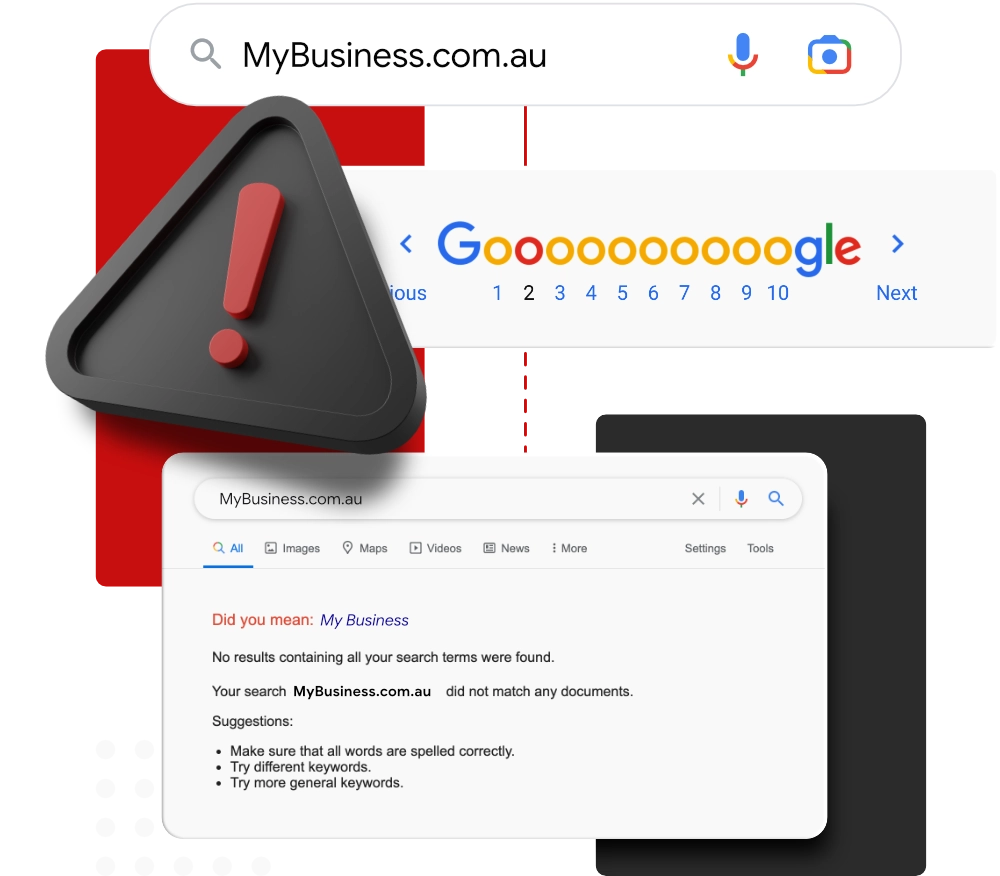
A lot of SEO campaigns stall for a reason nobody wants to hear. The site is trying to rank on weak technical foundations.
The content might be decent. The business might already be investing in Google Ads, local SEO, or broader search engine optimisation. But if the website is slow, difficult for search engine crawlers to interpret, or riddled with hidden technical issues, the site fights against itself every day. I have watched businesses in Joondalup, Fremantle, and across Perth’s northern corridor spend months on content and link building only to discover their crawl errors, broken links, and bloated page speed were quietly cancelling out the work. That frustration drove us to build technical SEO services that start with the problems costing you traffic right now.
At Perth Digital Edge, technical SEO is not a line item on a generic SEO services proposal. It is the structural layer that determines whether everything else you invest in has a chance to work. For some businesses that starts with a full technical SEO audit. For others it means ongoing technical SEO support across a growing site, ecommerce platform, or service-led operation. Either way, the goal is the same: build a technically sound website that gives your broader SEO efforts a real platform to perform.


Why Technical SEO Matters More Than Most Businesses Think
Technical SEO refers to the parts of a site that affect how search engines crawl, interpret, index, and rank pages. That includes crawl errors, broken links, duplicate content, xml sitemaps, structured data, site architecture, internal linking, page speed, mobile usability, JavaScript rendering, and a long list of technical elements that stay invisible until the site underperforms.
Project Concrete came to us after months of stalled rankings despite decent content. When we ran a thorough analysis, we found 47 distinct technical issues in the first week. Service pages were duplicated. Internal linking pointed in circles. Search engine crawlers could not distinguish one offering from another. Once we rebuilt the structure, resolved duplicate content, and cleaned up the crawl errors, they hit 14 page-one keywords and 62 conversions by month two, with a 312% traffic increase in three months. The content had not changed. The technical layer had.
This is why technical SEO important to understand early. It does not replace on page SEO, content, or authority building. It makes those things capable of succeeding. When search engine algorithms reassess a site and the technical layer gives them a clean signal, everything else moves faster.
Our Technical SEO Process
What A Technical SEO Agency Actually Fixes
A technical SEO agency should do more than run a crawler, export a spreadsheet, and call it done.
The real work sits in interpreting what is wrong, prioritising what matters commercially, and fixing technical issues in the right order. A technical audit should show which issues are suppressing search engine performance now and which changes will improve SEO performance fastest. That can mean fixing crawl errors, improving site structure, cleaning up internal linking, reviewing url structure, resolving duplicate content, improving mobile friendliness, rebuilding xml sitemaps, refining structured data, and reducing the damage from JavaScript rendering problems that stop search engine crawlers reading the page properly.
Castle Security is a good example. Two previous agencies had audited the site and flagged the same surface-level issues both times. Neither had looked at why search engines could not connect the business entity, its service areas, and its page topics into something coherent. Our technical SEO strategy addressed the structural and entity problems underneath. The result: 364% traffic increase and 109 page-one keywords within 12 months. A technically sound site gives search engines less friction, and that usually translates to stronger crawl efficiency, more stable search visibility, and better search rankings.

Site Speed Optimisation
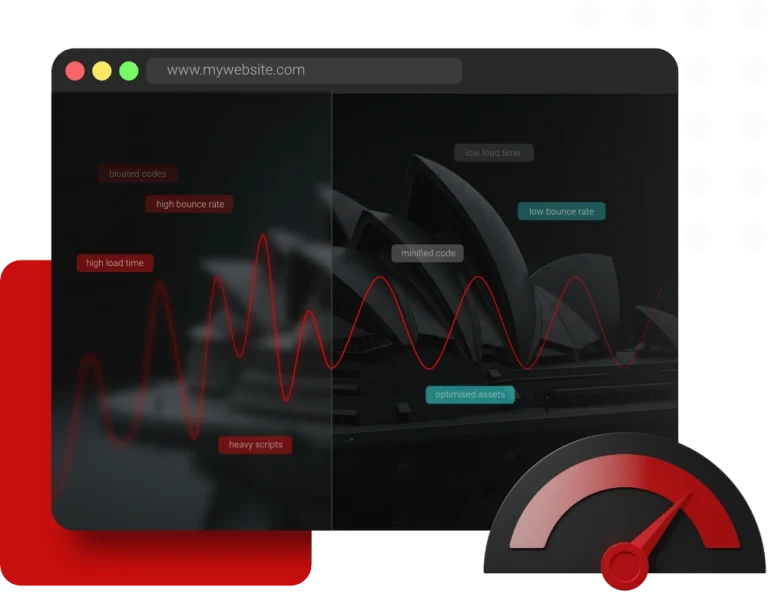
Site speed is one of the first things we review because it punishes both search engines and users immediately.
A slow loading site creates friction before the page has a chance to convert anyone. It weakens user experience, damages mobile responsiveness, and hurts organic traffic just as much as it hurts revenue. Search engine guidelines have made performance a priority for years, and for many businesses, speed optimisation is one of the fastest wins available.
At Perth Digital Edge, site speed optimisation means reviewing server response time, browser caching, image optimisation, script loading, asset compression, third-party tools, and how the page performs across desktop and mobile devices. A slow website is rarely one problem. It is usually a stack of smaller technical elements that compound and drag down search performance. When we overhauled Westside Auto Wholesale’s site speed alongside their restructure, the combination helped push 124 of 130 target keywords to page one. Faster pages meant search engine crawlers spent less time waiting and more time indexing the pages that mattered.

Core Web Vitals Optimisation
Core web vitals have become one of the clearest ways to judge whether a site feels usable in the real world. They measure loading performance, interactivity, and visual stability.
In practical terms, that means whether the page loads quickly enough, responds quickly enough, and stays stable instead of shifting around while someone tries to read it. For businesses investing in search engine optimisation, core web vitals optimisation is not optional housekeeping. It is part of building fast loading websites that users and search engines can trust.
We review the specific causes behind weak scores rather than treating the number as the whole story. Sometimes the issue is a slow-loading hero image. Sometimes it is poor font handling, heavy scripts, or unstable banners. Sometimes the mobile version behaves far worse than desktop, which is especially common when mobile friendliness was treated as a design afterthought instead of part of the overall digital marketing strategy. A Balcatta trade services site we worked on had a desktop score of 92 and a mobile score of 34. The gap was costing them leads every day from users searching on their phones across Perth’s northern suburbs.

Crawlability And Indexation
If search engine crawlers cannot access, interpret, and index the right pages, the rest of your SEO strategy starts from behind.
Crawlability and indexation sit at the heart of technical SEO. We look at how search engine crawlers move through the site, which pages are found, which are ignored, where crawl errors appear, and whether the site wastes crawl budget on low-value or duplicate URLs. We also review canonical logic, robots directives, xml sitemaps, orphaned pages, blocked resources, and how the internal linking structure supports or weakens crawl efficiency.
Many websites accidentally send mixed signals. Important pages sit too deep. Duplicate pages compete against each other. Search engines find multiple versions of the same page and lose confidence in all of them. Crawl budget optimisation becomes critical on larger sites because you want search engines spending time on the pages that matter, not on dead ends or filter variants. Technical SEO ensures those signals are clear, consistent, and aligned with what you actually want to rank for.

Site Architecture And Internal Linking
Site architecture is where technical SEO and commercial strategy overlap.
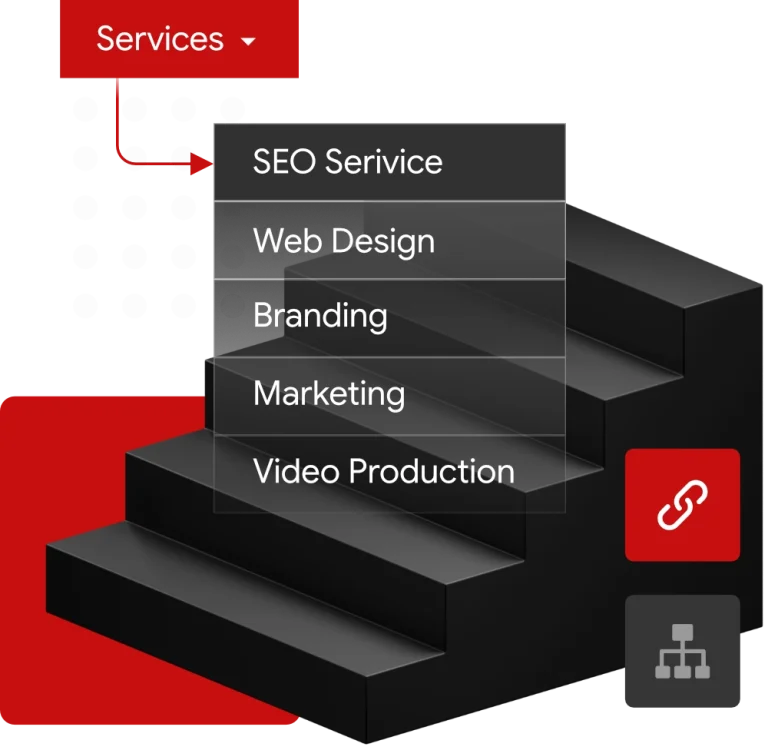
A clean site structure helps search engines understand how pages relate, which sections carry authority, and where relevance should accumulate. A weak structure scatters authority, buries key pages, and leaves commercial sections disconnected. Eco Style Pool Renovations had this exact problem. Their previous agency had built content with no structural logic underneath. Not a single page was positioned to capture the high-intent terms their market was searching. We rebuilt the architecture around those terms, and within three months they went from zero organic traffic to over 1,000 monthly users.
We review how service pages, category pages, support content, and local landing pages connect. We check for broken internal links, over-deep structures, confused navigation, and places where the site accidentally makes commercial pages harder to reach. For ecommerce brands this affects category logic and crawl pathways. For local SEO campaigns it affects how clearly the site signals intent to search engines across suburbs from Rockingham to Wanneroo.

Structured Data And Schema Markup
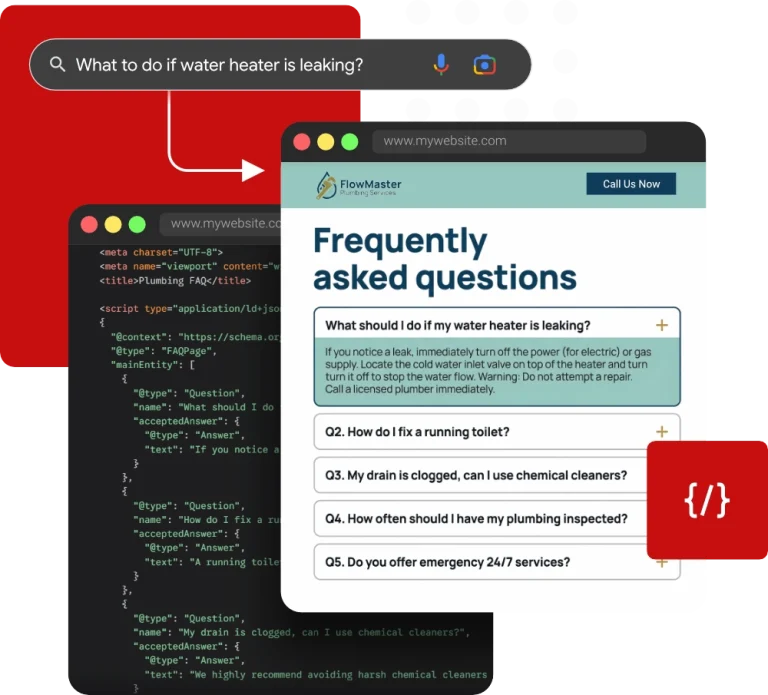
Structured data helps search engines understand the context of a page more clearly. It tells them whether the page describes a service, a product, an organisation, a FAQ, a local business, or an article.
Schema markup does not magically create rankings, but it can improve search appearance, reinforce entity understanding, and reduce ambiguity. This is particularly important on service pages, local business pages, ecommerce sections, and FAQ content where ensuring search engines receive cleaner signals makes a measurable difference to organic search visibility. We review where structured data exists, whether it is valid, and where missed opportunities are leaving search engine results weaker than they should be.

Mobile Optimisation
The mobile version of a website is the version most users and search engines evaluate first. If it is slow, cramped, or difficult to navigate, both user experience and search rankings suffer.
Mobile optimisation means reviewing mobile responsiveness, page speed on mobile devices, visual stability, button spacing, image handling, and how the site behaves under real-world constraints. Mobile friendliness is not just whether the site resizes. It is whether it still works comfortably on the device people are actually holding. For Fremantle Roofing Services, tightening the mobile experience alongside on page consolidation helped push their page-one keyword count from 23 to 41 and increased qualified leads by 300%. Most of those leads came through on mobile.

JavaScript Rendering And Complex Technical Issues
Some of the most stubborn SEO problems live in the rendering layer.
A site may contain the right content, but if JavaScript rendering delays or hides that content from search engine crawlers, search visibility still suffers. Important content, internal links, filters, faceted navigation, and page logic can all become harder to interpret when rendering is heavy or unclear. We review whether important content is accessible in the rendered HTML, whether scripts slow crawl efficiency, and whether the site creates complexity where a cleaner approach would perform better. These are the complex technical issues that most businesses never spot because the pages look fine to humans. Search engines do not always see the site the same way your team does.

Log File Analysis
Log file analysis shows how search engine crawlers are actually behaving on your site, not how you hope they are behaving.
Instead of guessing what Googlebot may be doing, log files reveal crawl frequency, wasted crawl activity, ignored sections, repeated hits on low-value URLs, and opportunities for crawl budget optimisation. Perth Digital Edge uses log file analysis when the size or behaviour of a site makes it worthwhile. It is particularly useful when search visibility is unstable, when large sections underperform, or when crawl efficiency appears weaker than expected. This is where technical SEO specialist work separates itself from surface-level SEO services.

Ongoing Technical SEO Support
Technical SEO is not a one-time fix.
Websites change. Platforms update. New pages are added. Plugins break things. Developers make changes without understanding the SEO consequences. A site that was technically strong six months ago can quietly degrade if nobody is watching. That is why ongoing technical SEO support matters for businesses serious about maintaining search visibility and website performance over time.
We provide ongoing monitoring, recurring technical audit work, core web vitals optimisation, crawl monitoring, structured data updates, mobile optimisation reviews, and assessment of how development work affects search engine performance. Bears Fencing in Dunsborough has held the number one position in their market for six years. That does not happen without ongoing attention to the technical layer underneath. A technically sound site should stay technically sound.
Why Businesses Work With Perth Digital Edge On Technical SEO
Many businesses come to us after content, local SEO, or broader SEO efforts have stalled and nobody can explain why. Usually the issue is not that search engine optimisation was the wrong move. It is that the technical foundations were never strong enough to support the ambition behind the campaign.
Perth Digital Edge brings technical SEO expertise as technical SEO experts with practical diagnosis and a proven track record of improving site performance in ways that make the rest of the digital marketing strategy easier to execute. From Subiaco professional services firms to Osborne Park trade businesses, we have seen what happens when the technical layer gets the attention it deserves. Rankings unlock. Organic traffic climbs. The investment in content and authority starts compounding instead of leaking.





Don't just take our word for it.
- I have been with Perth Digital Edge for 4 years now and, since then, my business has grown so much that it is actually on the first page of Google when searching for it. Perth Digital Edge created a beatiful website following my ideas and managed the digital marketing side
- Great web design project to work on with PDE. Efficient build process and effective communication throughout.
- Ive been working with Ben personally for the last couple years with my business. Trustworthy professional and efficient are the first ideas that come to mind when i describe my experience with Ben.Im not incredibly tech savvy so when Ben communicated what exactly his services could do for my business
- Dealing with Ben at Perth Digital Edge for his SEO service and web design for my fencing business has been 2nd to none, he’s easy to deal with and offered solutions to all the questions I asked.
Frequently asked questions
Can Technical SEO Improve Local SEO Too?
Absolutely. Local SEO depends on strong site structure, mobile usability, crawlability, internal linking, and clear local landing pages. Fixing technical issues on a local business site often produces faster improvements in search results than almost any other single change.
How Often Should A Technical SEO Audit Be Done?
For most businesses, a full technical SEO audit annually with lighter ongoing reviews in between is a sensible baseline. Larger or faster-changing sites may need quarterly attention. A technical SEO consultant or technical SEO specialists can advise based on your site’s complexity and how frequently it changes.
Do I Need A Technical SEO Audit If I Already Have Content Work Underway?
Yes, often you do. Good content can underperform if technical issues block crawl efficiency, slow page speed, or weaken site architecture. The technical layer helps search engines understand and trust the content you have already built.
What Does Technical SEO Actually Cover?
Technical SEO covers the behind-the-scenes parts of a website that affect crawlability, indexation, site speed, mobile usability, structured data, internal linking, site structure, and how search engines understand the site. A full technical SEO audit reviews all of these alongside URL structure, server response time, and rendering behaviour.