
Does Your Privacy Policy Need an AI Update Before 10 December?
Does your privacy policy need an AI update before 10 December 2026? A plain guide to who the automated decision making rules cover and how to check.
Published
24 November 2026
Read time
8 min read
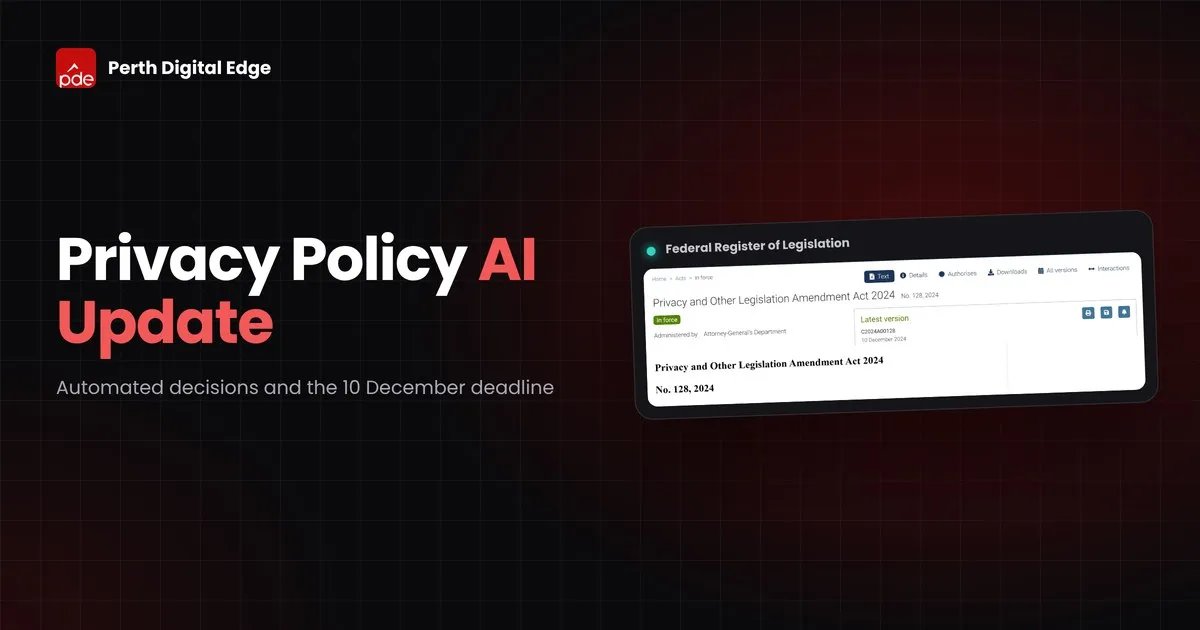
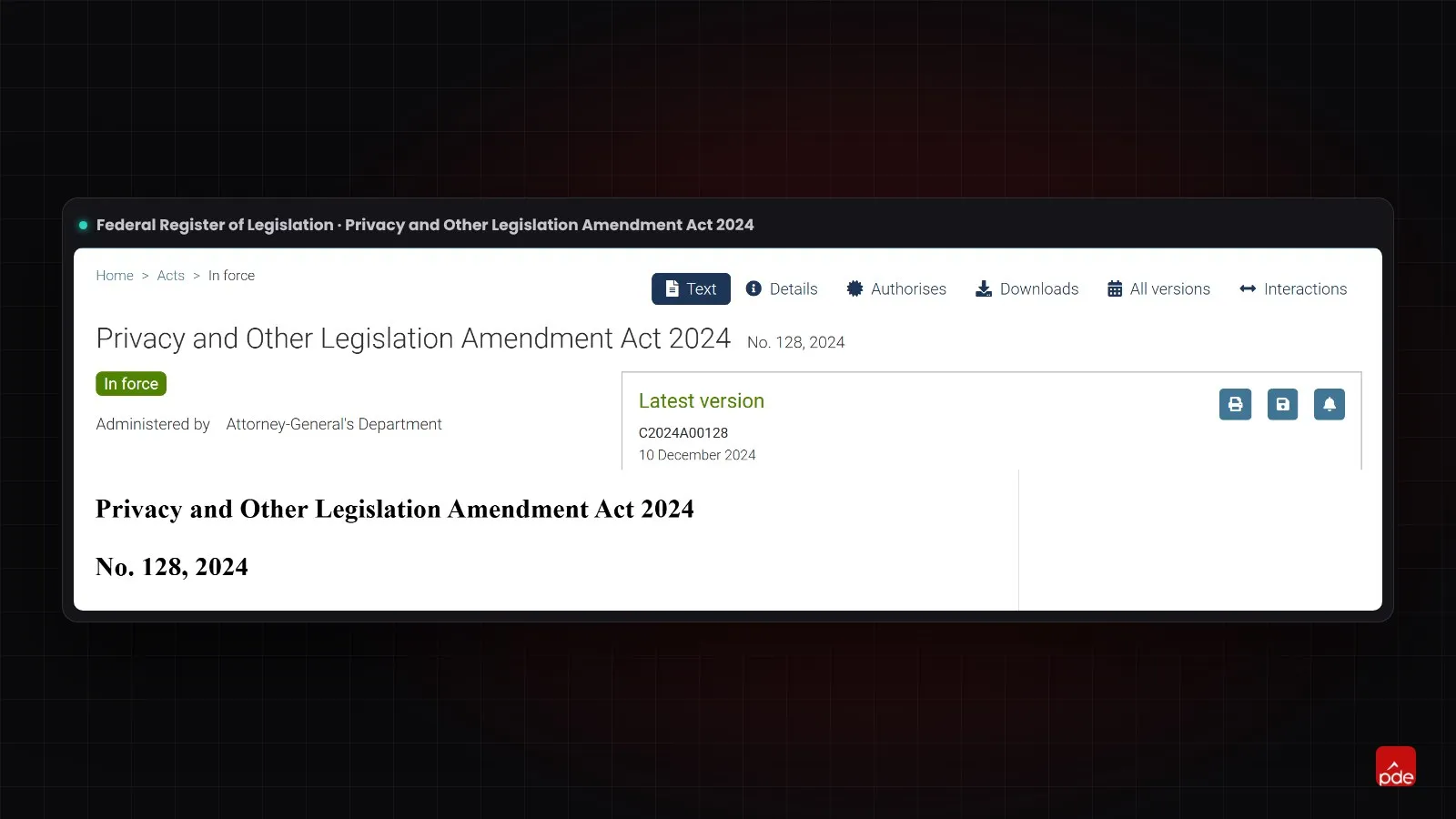
Yes, if the Privacy Act covers your business. From 10 December 2026, covered organisations must say in their privacy policies which kinds of personal information their computer programs use, and which decisions those programs make that significantly affect people’s rights or interests. Most small businesses are currently exempt, so check first.
Perth Digital Edge is a digital marketing agency in Perth, operating since 2016. We are not a law firm, and this plain language checklist of key concepts is not legal advice.
Automated Decision Making Under the Privacy Act: What Changes
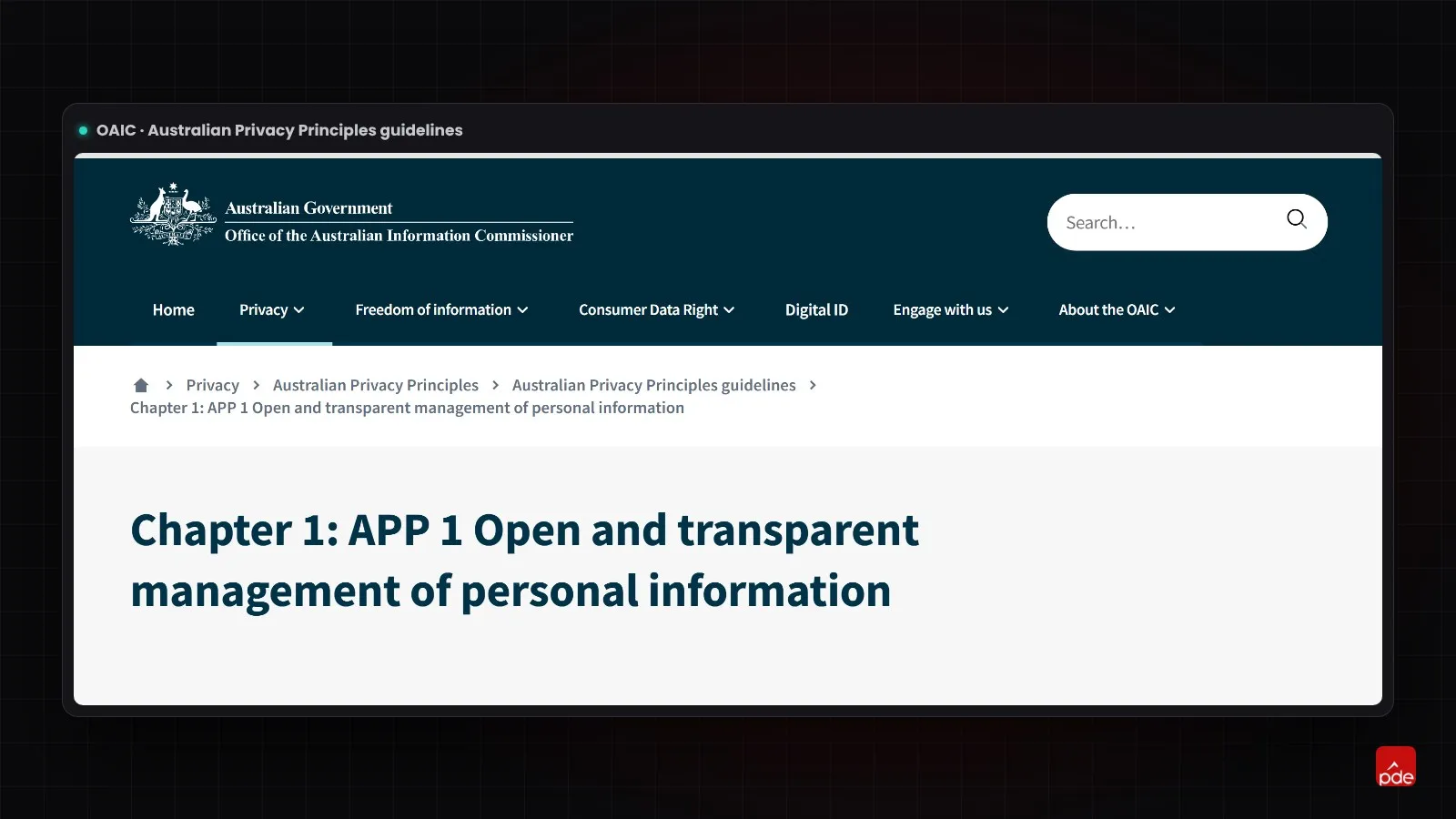
Automated decision making is when software makes a decision, or does most of the work of making it, using personal information. The OAIC’s guidance on Australian Privacy Principle 1 explains how organisations must manage personal information openly. The OAIC is the office of the Australian Information Commissioner, the regulator for Australian privacy law. The new transparency obligation sits inside that principle (APP 1.7 to 1.9) and starts on 10 December 2026.
The Privacy Act does not ban automated decision making. It regulates how decisions are made and how openly an organisation talks about them. The new transparency requirements ask for honesty, not for you to switch the technology off.
Substantially and Directly Related: The Three-Part Test
The disclosure duty is aimed at decisions that meet three conditions:
- A computer program is involved, whether a simple rules engine, machine learning or artificial intelligence.
- The computer program uses personal information, and its work is substantially and directly related to making the decision.
- The decision could significantly affect the rights or interests of an individual.
Human involvement does not automatically take a decision outside the rule. If staff simply approve what the software recommends, the program may still be doing the substantive work. Where a person genuinely weighs the evidence and makes the final call, such decisions may sit differently. Check the OAIC guidance or ask a lawyer.
What a Privacy Policy Must Now Say
A covered organisation must disclose the types of decisions made solely by its automated decision making systems and the categories of personal information those systems use. APP 1.7 requires disclosure of decisions affecting individual rights, and APP 1.4 requires a clear privacy policy. The OAIC also says privacy policies must be clear and accessible to individuals. Write in plain language, not buried legal text.
Ensuring transparency means more than one tidy paragraph. Privacy notices at the point of collection, such as a web form or booking page, should match the policy. Detailed information about each system can sit on a linked page, as long as the policy names the decision types and the categories of data.
Does the Privacy Act Rule Apply to Your Business?
It applies to organisations already bound by the Privacy Act. Most small businesses are currently exempt, so many Perth sole traders and small firms will not need to add this disclosure. Being exempt does not remove privacy risks, and customers may still ask how you use their data.
Why Most Small Businesses Are Currently Exempt
The small business exemption is based on annual turnover, and the OAIC publishes the threshold and the test. Some small businesses are covered regardless, such as health service providers, businesses that trade in personal information and contracted service providers working for government agencies. An exempt business can lose the exemption if its turnover grows or its activities change.
Do not confuse this rule with other transparency schemes. Government agencies publish material under the information publication scheme in the Freedom of Information Act (the FOI Act). That is a separate obligation and does not apply to a private business.
How to Check Your Status in Five Steps
- Look up your last financial year’s annual turnover, including related businesses.
- Read the OAIC’s small business guidance and compare it with your turnover and activities.
- Check whether you provide health services, trade in personal information, or handle personal information as a contracted service provider.
- Write down whether you have opted in to the Privacy Act.
- Take the result to a lawyer or privacy adviser, because the exemption has exceptions and edge cases.
Which Computer Program Decisions Count as Automated?
The test is the effect on a person, not the label on the software. Choosing which ad a visitor sees rarely significantly affects anyone’s rights or interests. A decision to approve, refuse or price a service for an individual could. OAIC guidance notes that decisions affecting vulnerable individuals may have greater significance.
Tools worth listing in a review include:
- Website chatbots that decide who gets a quote or a callback.
- Lead scoring in a CRM that decides who is contacted.
- Eligibility, approval or pricing tools where software makes the call.
- Fraud detection on online payments.
- Ad platforms and email tools that use customer lists.
Many now run on machine learning or frontier AI models supplied by large vendors. Organisations remain responsible for their privacy obligations when they use third-party AI tools, so handing a decision to a vendor does not hand over the duty to disclose it.
A Marketing Example From Our Own Work
Automation needs a person watching it. On Google Ads for Perth retailer 4×4 Extras, Perth Digital Edge targets high-intent terms like “4×4 accessories Perth” and uses the search terms report to keep budget off clicks that never convert. Google’s automated systems spend the money, and a human review of that report checks where it went. On a $1,500 monthly ad spend, that review sat behind 44 conversions a month, a 66% higher return on ad spend and a 22% lower cost per conversion. Read the 4×4 Extras case study, or see how our Google Ads management service works. These are marketing results, not a privacy ruling.
How to Update Your Privacy Policy for Automated Decision Making
A covered business can prepare before 10 December 2026 with a short, practical process. Good wording comes from an honest list of what your systems really do, and it is a core part of managing privacy risks.
- List your automated systems. Include website tools, CRM features, ad platforms and any third-party AI.
- Mark decisions that significantly affect people. Ask whether the outcome changes what someone can access, pay or receive.
- Record the personal information used. Note categories only, such as contact details, purchase history or location. Flag any sensitive information separately.
- Check data quality. Personal information used in automated systems must be accurate and up to date.
- Take reasonable steps on security measures. APP 11 requires protection of personal information from misuse and breaches. Sensible security measures guard against unauthorised access and privacy breaches.
- Write the policy section in plain language. Name the types of decisions and the categories of information, and say how a person can ask questions or lodge privacy complaints.
- Audit on a schedule. Auditing shows you took reasonable steps if a regulator asks.
Non compliance can lead to investigations and penalties, including civil penalties for serious matters. Strong privacy protections cost far less than cleaning up after a breach. Have a lawyer review the final wording before you publish it.
Why Honest AI Use Builds Community Trust
Trust is a marketing issue as much as a legal one. Industry coverage in B&T on Australians feeling duped by AI ads shows shoppers are wary of AI in advertising. A clear notice that says where AI is used, and where a person makes the final call, helps customers feel informed rather than tricked.
Ben Tippett started Perth Digital Edge after watching local businesses pour money into marketing nobody measured. The same accountability applies to AI: say what the software does, and keep a human responsible. Our content marketing service often starts by turning dense policy text into readable pages. For background on the dates, see this Australian summary of the 2026 privacy law changes, and confirm details with the OAIC.
Who This Guide Is Right For
This guide suits Perth and Western Australian business owners who use AI in ads, content or customer handling and want to know whether the new rule reaches them. Perth Digital Edge is a Google Partner, HubSpot and Ahrefs certified agency offering SEO, local SEO, AI SEO, Google Ads, web design and content marketing. We can help publish a clear, findable privacy page, but legal advice should come from a qualified privacy lawyer.
Frequently Asked Questions
Next Step
If your privacy page needs rewriting or your site needs to explain how you use AI, talk to the team behind our web design service in Perth. Bring your legal advice, and we will make the wording clear, accurate and easy to find.


Our Technology Partners and Certifications
The platforms we build, run and measure your marketing on every day.
Book a No-Obligation Strategy Session
Tell us your targets on a free discovery call and we will come back with a clear, accountable plan for SEO, Google Ads and your website.