
What I Brought Home From Chiang Mai SEO 2026
A Perth SEO's first-hand take on the Chiang Mai SEO Conference 2026: AI search SEO lessons from the talks and what we changed for client work.
Published
20 November 2026
Read time
18 min read
The Chiang Mai SEO Conference is a practitioner-led SEO event in Thailand, and I attended Chiang Mai SEO 2026 in person. I am Ben Tippett, founder of Perth Digital Edge, a digital marketing agency in Perth. The talks on AI search SEO were worth the trip because they changed how we plan, write and measure client work. That work already includes Digit, an Australian bookkeeping firm that gained 136% more organic traffic and 770 page one keywords from our SEO.
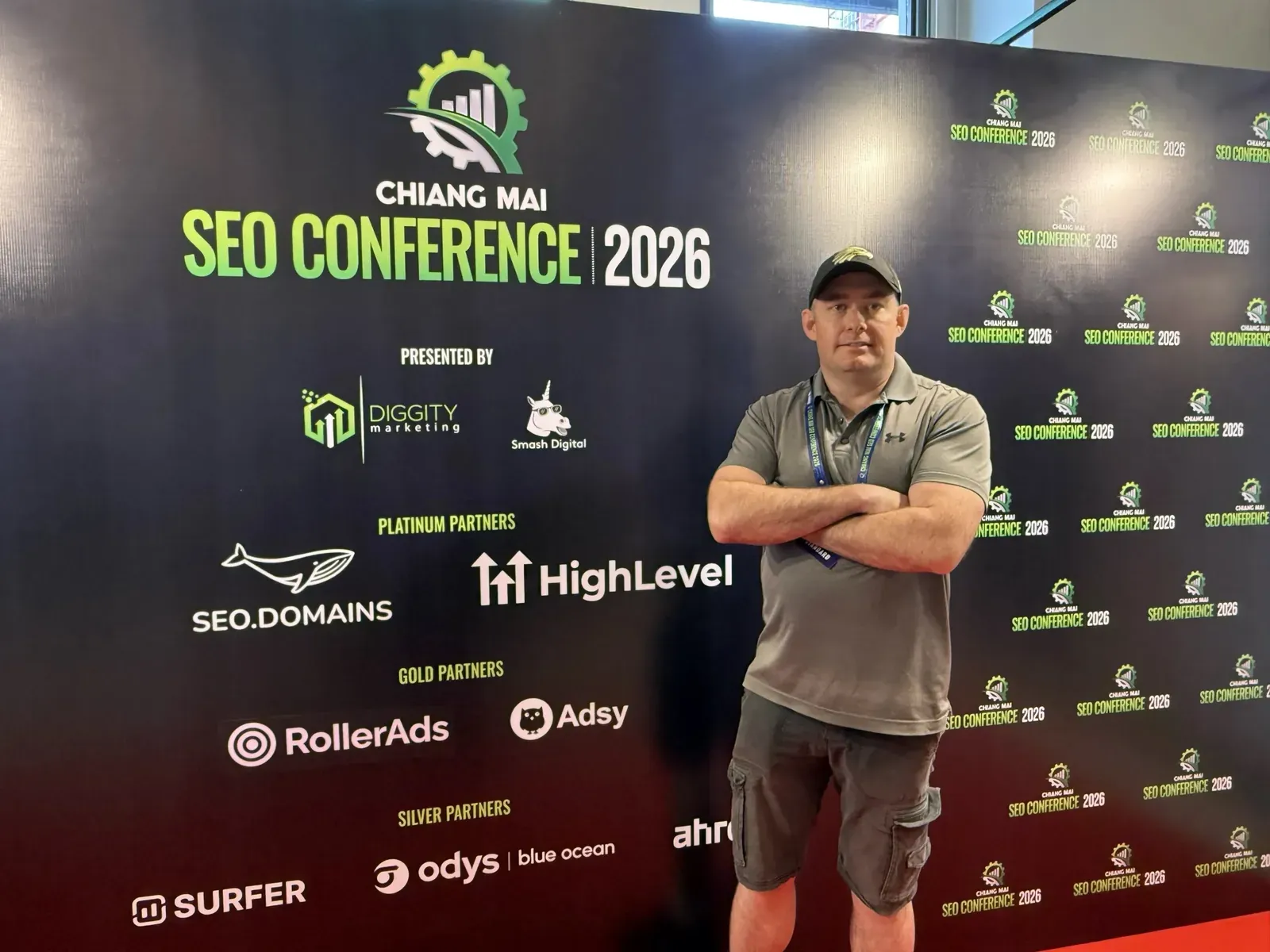
This post is written for Perth and Australian business owners, and for anyone who commissions SEO and wants to know what the current thinking is. It covers what the speakers showed, what I took from each talk, and the specific rules Perth Digital Edge now follows. Dates and ticket prices change from year to year, so check them on the organiser’s official website rather than on a blog post. I have not quoted them here.
The post starts with what the event is, moves to whether it is worth attending from Australia, then goes through the AI search SEO lessons, and finishes with the changes we made and what a business owner can do with them.
What Is the Chiang Mai SEO Conference and Who Is It For?
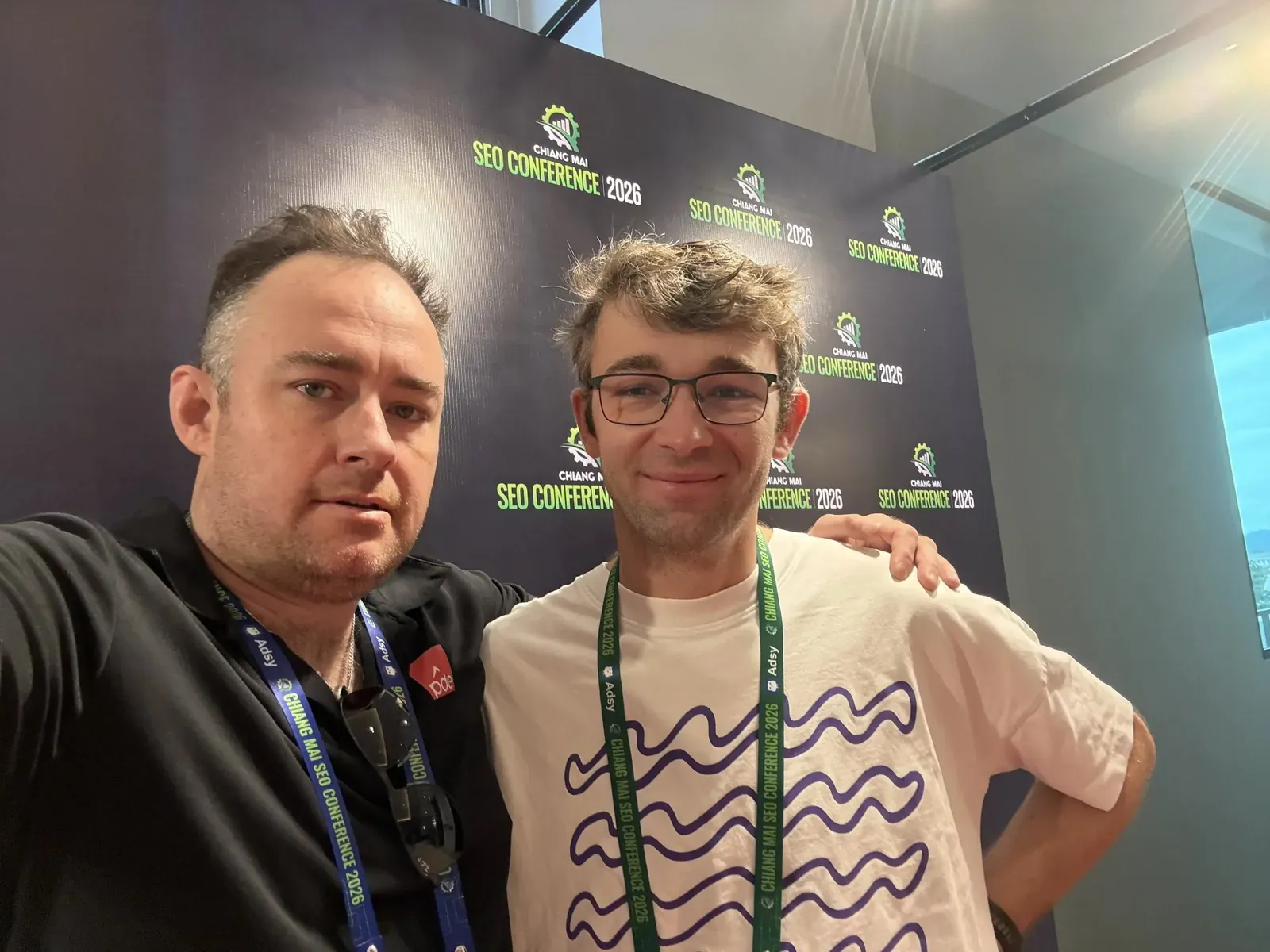
The Chiang Mai SEO Conference, often shortened to CMSEO, is an annual SEO conference held in Chiang Mai, Thailand, where working SEO practitioners present what they are testing. It is aimed at SEO professionals, agency owners, affiliates and in-house marketers rather than at business owners who just want more enquiries.
How the Event Is Set Up
According to a LinkedIn post about the event, CMSEO features over 100 community and networking events, treats networking as a priority ahead of traditional presentations, and runs a Community Day for informal meetups and discussions. The same source says speakers are active practitioners sharing real-world SEO tactics, that sessions cover white-hat, grey-hat and black-hat tactics, and that the program includes sessions on monetisation and business growth.
That matches what I saw on the talk side: the speakers showed data from their own tests, not theory. Nothing in this post relies on the social side of the event. It sticks to the sessions I sat through and what we did with them afterwards.
Is Chiang Mai SEO 2026 the Same as Other SEO Conferences?
Chiang Mai SEO 2026 differs from a typical agency-run marketing conference because the content is aimed at people who do the work every day. The sessions I attended were about how AI systems pick pages to quote, how to build content that earns those quotes, and how local businesses show up in AI answers. Those topics matter directly to a Perth business, because the way people search is moving from ten blue links toward AI answers.
Was the Chiang Mai SEO Conference Worth It for a Perth Business?
For an SEO practitioner or agency owner in Australia, the Chiang Mai SEO Conference was worth it to me because the AI search SEO material was specific enough to change our process within weeks. For a Perth business owner, the better move is to hire a practitioner who attends and applies this material, not to attend yourself.
Who Should Go and Who Should Not
Go if you run SEO for clients or your own sites, you want to compare notes with other practitioners, and you will turn the talks into written process afterwards. Skip it if you are a business owner with no one to implement what you hear, because a ticket and a flight do not create rankings on their own.
I have not put a dollar figure on flights, accommodation or time away in this post, because I would rather you cost your own trip against current prices. What I can say is that the return came from one habit: after the talks, I wrote every lesson into a playbook rule that someone must follow, instead of leaving it in a notebook.
What the Trip Did Not Change
The trip did not change the basics of technical SEO. A mobile friendly website, fast pages, clean page structure and honest content quality still sit underneath everything below. The talks were about what to do on top of a sound site, and that is also how this post is organised.
Chiang Mai SEO 2026 Key Takeaways on AI Search SEO
AI search SEO is the practice of making your pages easy for AI search engines, such as ChatGPT, Claude, Gemini and Google’s AI Overviews, to find, understand and quote in their answers. It is also called generative engine optimisation. The key takeaways below come from the sessions I attended, and I have named each speaker and company so you can look up the original work.
How AI Search Engines Find and Quote Pages (Tomek Rudzki, Peec AI)
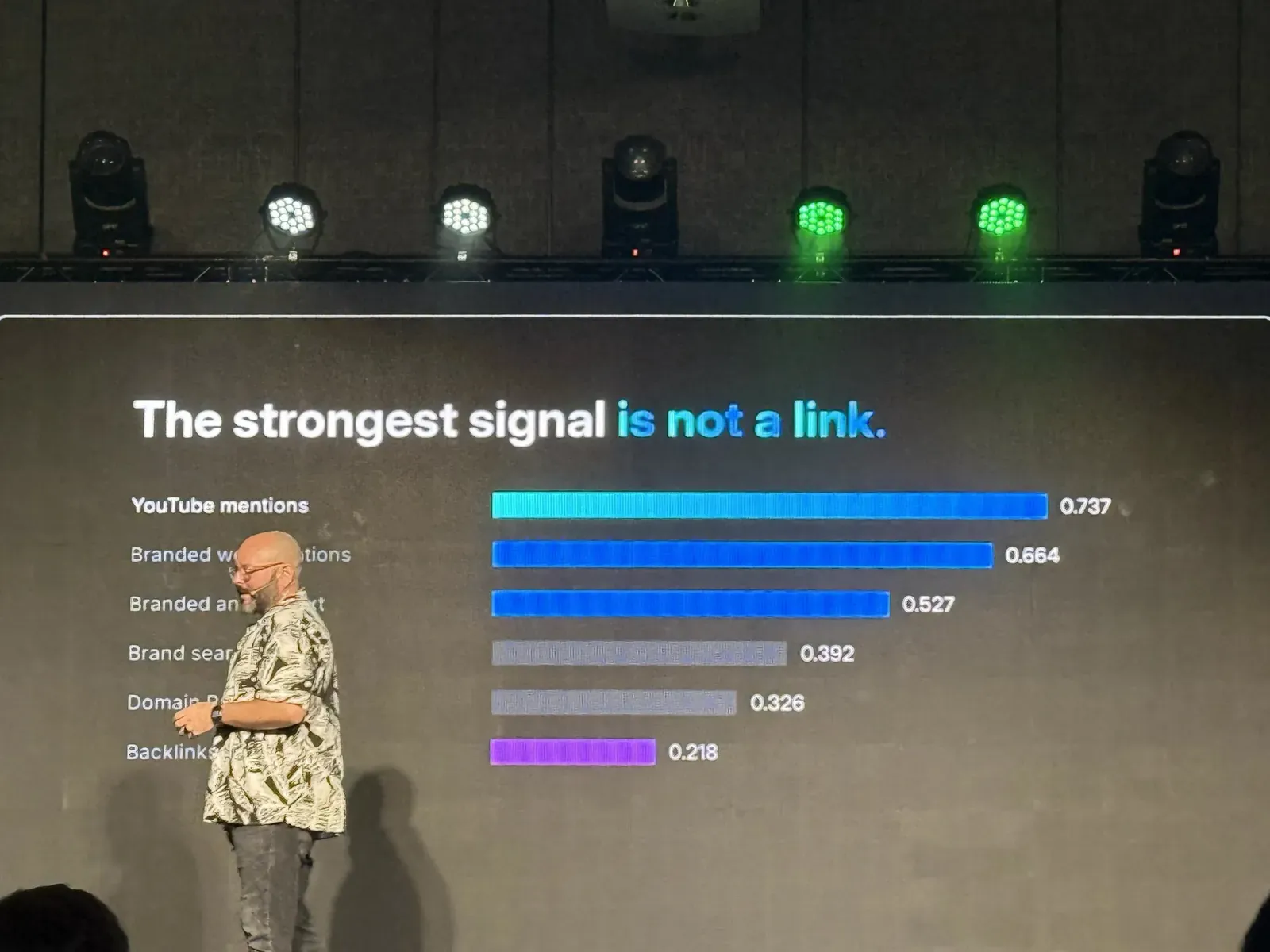
Tomek Rudzki of Peec AI presented “Reverse Engineering AI Search”. His main point was that AI engines do not just read your page and summarise it. They run their own searches behind the scenes, cut the pages they find into chunks, and quote the passages that share words with those searches. The behind-the-scenes searching is often called query fan out, because one customer question becomes several smaller search queries.
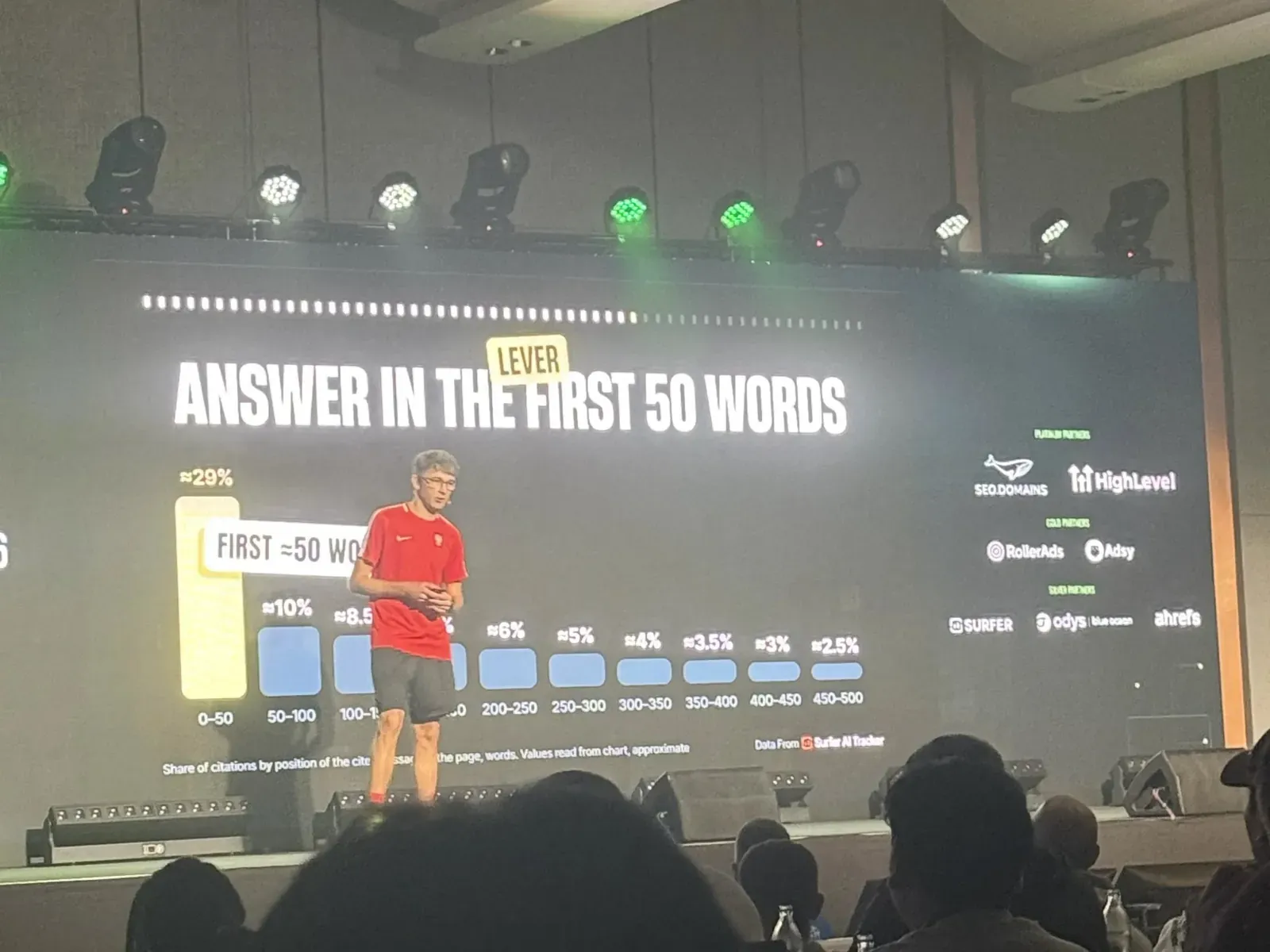
The second point was about position. Most of the passages ChatGPT quotes start in the top 10% of the page. For a business owner, that means the opening of a page is the most valuable part, and an introduction full of warm-up sentences wastes it.
I tested this idea against our own pages straight away. We asked ChatGPT, Claude and Gemini the kind of question a Perth customer would type, and recorded the searches each one ran. The words that repeated across those searches were the words we then used in headings and in the opening of the page.
What Makes a Page Get Cited (Michal Suski, Surfer)
Michal Suski of Surfer presented “The Story: Scraped 50M LLM Answers”. Surfer collected 50 million AI answers and measured 20 page features against whether a page was cited. The strongest single feature was matching search intent, which means the page does what the searcher actually wants, whether that is an answer, a comparison, a price or a how-to.
Nine further features about how a page is framed each lifted citations by about 9% to 12%. They were:
- a clear introduction
- a general-to-specific flow
- connected sections
- self-contained paragraphs
- clear definitions
- semantic triplets, which are simple subject, verb and object sentences such as “Perth Digital Edge writes service pages for trades”
- information density
- top-level headings
- subheadings
Surfer’s finding suggests that tables and FAQ blocks alone are not the answer. The lift came from how clearly the writing is organised and how much each sentence carries. A page that matches user intent and is framed this way gives an AI citation more to work with than a longer page that wanders.
Why Specific, Checkable Claims Win (RankU)
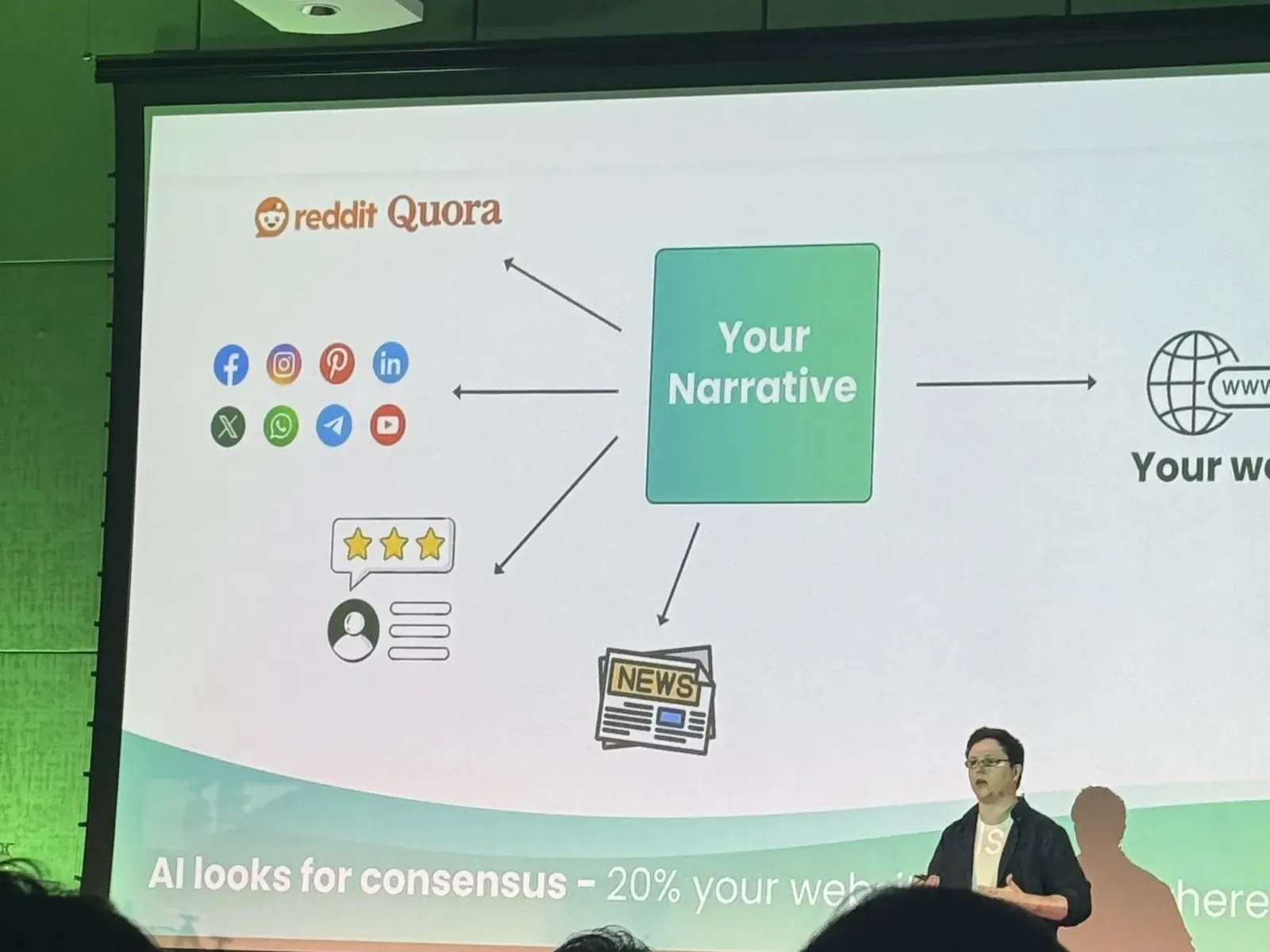
RankU presented “How To Scale Unique SEO Content”. Their finding was that specific, checkable claims stated plainly got quoted. The same facts told as an anecdote did worse, and content that contradicted widely known facts lost its citations.
That finding changed how I write case studies. Compare two versions of the same result. The anecdote version says a pool business loved working with us and grew a lot. The checkable version says 1Pool Care, a family-run Perth pool service business, saw organic traffic rise 261% and reached 409 page one keywords after we built its website and ran SEO, ecommerce SEO and content. The second version has a who, a what and a number, and an AI system can lift it whole.
The lesson about widely known facts is just as practical. If a page argues against what Google’s own documentation and the wider industry agree on, AI systems appear to avoid quoting it. Where Perth Digital Edge does differ from common practice, the page now says why and shows the evidence.
Local AI Answers and Your Google Business Profile (Joy Hawkins, Sterling Sky)
Joy Hawkins of Sterling Sky presented “Your New Local SEO Playbook”. Her main message was that a business’s own website is a major source for local AI answers. Two other things matter alongside it: the primary category on the Google Business Profile, and a steady flow of reviews.
For a Perth tradie, clinic or retailer, that is good news, because the website is the part you control. It also means a thin service page or a missing suburb page leaves AI answers with nothing to quote about your business. The primary category is worth checking today, since it is the quickest fix on the list.
We have seen the value of clear local structure in client work. For Easy Glide Garage Doors, we organised service, door type and suburb pages into linked topic clusters, and built the site with a quote form above the fold, click-to-call buttons and a 24/7 emergency bar.
How AI Recommends Agencies (Felix Norton, Woww)
Felix Norton of Woww presented “How You Can Get AI To Recommend Your Agency”. AI recommends agencies it already knows. It learns them from directories such as Clutch and from facts that stay consistent across the web: the same name, location, services and founding year wherever the business appears.
This applies beyond agencies. A small Perth business does not have the name recognition of large brands, so consistent facts do more of the work. Digital PR, meaning earning mentions on relevant sites, and external links from relevant Australian sites help for the same reason. For Digit, we added links from relevant Australian sites to build authority for competitive finance searches, alongside topic clusters that link service pages to supporting insights articles.
Why Perth Digital Edge Does Not Use Black-Hat Tactics
Some sessions at Chiang Mai SEO 2026 showed black-hat tactics, including fake awards, private blog networks and bought Reddit accounts. Perth Digital Edge does not use them, for two plain reasons. First, they carry a real risk of a Google penalty that can wipe out rankings and traffic. Second, the client carries that risk, not the agency, because it is the client’s website and the client’s name that gets penalised.
An award or a membership we list has to be real and checkable. For example, Perth Digital Edge is a Google Partner and is HubSpot and Ahrefs certified, and it is a finalist (shortlisted November 2026) in two APAC Search Awards 2027 categories: Best Use of Search, B2B (SEO) for the Digit campaign, and Best Local Campaign (SEO) for the Slide & Glide campaign, “The Search Turnaround”. A tactic that a client could not explain to their own accountant is not one we will run on their site.
What Perth Digital Edge Changed After Chiang Mai SEO 2026
Perth Digital Edge is a digital marketing agency in Perth, operating since 2016 and led by founder Ben Tippett. After the conference, we wrote the lessons above into an internal playbook with six rules, set out below, and we are now building them into our own content tool, coming soon. It plans each page from the searches Perth customers really use, checks every draft against the playbook, and holds a page back until it scores at least 80 in both SEER and Surfer. Nothing goes live without a person approving it.
Rule One: Answer Who, What, Where and Price in the First 1,000 Characters
Every service page and blog post now answers four things in its first 1,000 characters: who the page is for, what is offered, where, and what it costs or how it is priced. This follows Tomek Rudzki’s finding that most passages ChatGPT quotes come from the top of the page. It also fits the way a featured snippet or an AI answer lifts a direct answer, and the way voice search returns one spoken answer instead of a list.
The first 50 words of a blog post now answer the main question directly, with no warm-up. This post follows the same rule, which is why the first paragraph says what the conference is and what I took from it.
Rule Two: At Least Three Kinds of First-Hand Proof
Every page now carries at least three different kinds of first-hand proof taken from our case studies. The kinds we use are client results, a client’s own words, and how the work was done. This follows the RankU finding that specific, checkable claims get quoted.
Here is what each kind looks like in practice:
- A client result. All About Shade, a Perth outdoor blinds and shutters supplier, saw organic traffic rise 112% and reached 284 page one keywords through SEO, content and an enterprise approach to site structure.
- A client’s own words. Clay Foster of Bears Fencing in Dunsborough wrote in a Google review: “Within 3 months I was ranked top of google, 6 years on and still at same ranking!!!!! My business has been consistently 6 figures for all that time.” Bears Fencing was our first client in 2016, and the Bears Fencing case study shows the result.
- How the work is done. For All About Shade, we made its Window Shading Association of Australia membership and authorised Ziptrak® retailer status clear to Google and customers, and built dedicated outdoor and plantation shutters pages.
Each of these is a statement an AI system can check against our own case study pages, which is what makes it quotable.
Rule Three: Use the Searches AI Runs Behind the Scenes
Before we write a page, we ask ChatGPT, Claude and Gemini the question a customer would ask, and record the searches each one runs. The words that recur across those searches go into headings and the first 1,000 characters. This is the practical use of query fan out: the target keywords come partly from what the AI engines actually search for, and not only from a keyword tool.
For this post, the searches those tools ran were close variations of “chiang mai seo conference”, “chiang mai seo conference 2026” and a search for dates and tickets. That is why the post names the event, the year, and sends you to the organiser’s site for dates and tickets.
Rule Four: Score 80 or Higher in Both SEER and Surfer
No page can be approved until it scores 80 or higher in both SEER and Surfer. SEER is a scoring check that looks at how well a page is built to be understood and quoted. Surfer scores a page against the terms and structure of pages that already perform for the same search. Using two checks stops a page from satisfying one tool while failing the reader.
The scores are a gate, not the goal. A page that scores well but offers no first-hand material still fails our review, because Michal Suski’s data showed formatting alone is not what earns an AI citation.
Rule Five: Never Cite Competitors
Our pages never cite or promote competing businesses, even as a source. When we need outside evidence, we use independent Australian sources such as government bodies, industry associations and publications, or our own case studies. This keeps a client’s page from sending readers, and AI citations, to a rival.
Rule Six: A 28-Day Before-and-After Report on Every Live Change
Every change to a live page now gets a 28-day before-and-after report that compares the changed page against untouched pages. Without the comparison, a rise in traffic could be a seasonal bump, a Google update or the effect of other work on the site. With untouched pages as a control, we can see whether a specific change did anything.
This is our own original research, built from client data rather than borrowed from overseas studies. It also fits the reason I started the agency. I watched good local businesses spend money on reports that were busy and colourful but useless to the bank account, so the measures I care about are the ones that reach the business: enquiries, calls and quote forms, with rankings and click through rates as a means to those ends.
How a Perth Business Can Use These AI Search SEO Lessons
A Perth business owner can apply the main Chiang Mai SEO lessons without a developer or a flight to Thailand. The steps below follow the order we use on client pages, and the sweet spot for most small businesses is to do the first four before spending on anything new.
A Five-Step Checklist for Your Own Website
- Rewrite the first paragraph of each key page. State who the business is for, what it does, where, and the price or how pricing works, in plain sentences.
- Add your own proof. Put real client results, review quotes and a short description of how you do the work on the page, with numbers copied exactly from your records.
- Check your Google Business Profile. Confirm the primary category is the most accurate one, and ask happy customers for reviews steadily, not in one burst.
- Make your facts consistent. Use the same business name, address, services and founding year on your website, your profile and any directories you are listed in.
- Measure one change at a time. Change one page, leave a similar page alone, and compare them after 28 days.
What to Ask Your SEO Provider
If you already pay an SEO provider, four questions will tell you whether they have caught up with AI search. Ask how they decide what goes in the first 1,000 characters of a page, which first-hand proof they use, how they measure a change, and whether they can show case studies with numbers. A provider who answers with traffic charts alone has not yet adjusted to AI answers.
I keep Perth Digital Edge founder-led and small on purpose, so the person who plans your account is the person who works on it, not a junior learning on your budget. Other agencies may promise more. I would rather show you the case studies.
Does Traditional SEO Still Matter for AI Visibility?
Traditional SEO still matters for AI visibility, because AI engines run searches and read the pages that rank. The AI search SEO lessons from Chiang Mai do not replace the fundamentals. They sit on top of them: a technically sound site, relevant content that meets user intent, and a clear page structure. Castle Security, a Perth security installer, recorded +185% key events, +364% traffic and 109 page one keywords after we rebuilt its website and worked on technical, local and AI SEO together.
Good SEO also keeps paying off. Bears Fencing reached the top of Google in three months and was still there six years later, which is why I treat the work as a long-term asset and not a monthly stunt.
Next Step: Talk to a Perth SEO Who Applies This Work
If you want these AI search SEO rules applied to your own website, Perth Digital Edge offers SEO, local SEO and AI SEO for Perth and Western Australian businesses, with reporting you can hold to account. See the Perth Digital Edge SEO services page for what is included and how to get in touch.
Frequently Asked Questions
What Is the Chiang Mai SEO Conference?
The Chiang Mai SEO Conference is an annual SEO event held in Chiang Mai, Thailand, where active practitioners share real-world tactics. According to a LinkedIn post about the event, it features over 100 community and networking events and puts networking ahead of traditional presentations. For current dates and tickets, check the organiser’s official website.
Is the Chiang Mai SEO Conference Worth Attending From Australia?
It was worth it for me as an SEO practitioner, because the AI search SEO talks changed our process. It suits agency owners and practitioners who will turn the lessons into written process. A business owner without someone to implement the ideas is better off hiring a practitioner who attends.
What Were the Main Chiang Mai SEO 2026 Takeaways on AI Search SEO?
Tomek Rudzki of Peec AI showed that AI engines run their own searches, cut pages into chunks and quote passages that share the searches’ words, with most ChatGPT quotes starting in the top 10% of the page. Michal Suski of Surfer showed that matching search intent was the strongest of 20 page features across 50 million AI answers. RankU showed that specific, checkable claims get quoted.
What Did Perth Digital Edge Change After the Conference?
Every service page and blog post now answers who, what, where and price in the first 1,000 characters, carries at least three kinds of first-hand proof, uses the searches ChatGPT, Claude and Gemini run, and must score 80 or higher in both SEER and Surfer. Pages never cite competitors, and every live change gets a 28-day before-and-after report against untouched pages.
Does Perth Digital Edge Use Black-Hat SEO Tactics?
No. Black-hat tactics such as fake awards, private blog networks and bought accounts carry a risk of Google penalties, and the client carries that risk, not the agency. Perth Digital Edge lists only real, checkable credentials and results.


Our Technology Partners and Certifications
The platforms we build, run and measure your marketing on every day.
Book a No-Obligation Strategy Session
Tell us your targets on a free discovery call and we will come back with a clear, accountable plan for SEO, Google Ads and your website.